A customer may forgive a five-minute delay. They are far less forgiving when their curry has soaked through the bag, their chips have gone limp, or a missing sauce turns up only after they have arrived home. Knowing how to pack takeaway orders is therefore not a finishing task for a busy service – it is part of the product you sell.
For cafés, restaurants, caterers and delivery-focused food businesses, good packing protects food quality, reduces complaints and makes the handover feel considered. It also gives your brand a useful moment of visibility. The bag in a customer’s hand is travelling through offices, stations, homes and high streets. It should carry the order securely and represent your business properly.
Start with the journey, not the container
The right pack depends on what the food has to withstand between the pass and the customer. A collection order travelling five minutes on foot has different needs from a multi-item delivery spending half an hour in a rider’s insulated bag. Build your packing process around the longest realistic journey, rather than the best-case one.
Consider heat, steam, liquid, weight and movement together. Fried food needs controlled ventilation so it does not sweat and soften. Saucy dishes need a close-fitting, leak-resistant lid and a base that will not flex under weight. Cold drinks need to remain upright and away from hot food, while desserts may need separate protection to preserve their finish.
A common mistake is choosing one standard container for every menu item because it simplifies purchasing. It can simplify stock control, but create waste, poor presentation and avoidable leaks. A better approach is to group the menu into practical packing needs: dry and crisp, hot and saucy, chilled, drink-based, and delicate or premium items.
Choose containers that match the food
The container is your first line of protection. It must hold the portion confidently, close securely and suit the food’s temperature and moisture level. Overfilling is one of the biggest causes of spills. Leave enough headspace for lids to sit flat, particularly with sauces, gravies and toppings that can shift in transit.
For hot, wet foods, use containers designed for the temperature and consistency of the dish. Check that lids fit consistently across your stock, rather than relying on a quick press at the packing station. If a lid can pop open when the container is tipped, it is not suitable for delivery.
For fried food, avoid trapping excessive steam. Depending on the item and journey length, a breathable carton or vented format may preserve texture better than a completely sealed tub. There is a trade-off: more ventilation can help crispness but offers less protection against heat loss. Test your actual dishes after 15, 30 and 45 minutes, not just straight from the kitchen.
Drinks deserve their own plan. A well-packed meal can still be ruined by a loose cup rolling into it. Use properly fitted lids, carriers where appropriate and a separate upright section within the order. Avoid placing cold drinks directly beside hot containers where condensation can weaken paper packaging.
How to pack takeaway orders in the right sequence
Packing order matters. The heaviest, most stable items go at the bottom, with lighter containers and delicate food above. Keep hot and cold items apart whenever possible, and use dividers or separate bags for larger orders where movement is likely.
Start by checking each item against the ticket before it goes into a bag. Then add the items that are least likely to deteriorate first, keeping freshly cooked food for the final stage. This reduces the time food sits sealed and helps customers receive it at its best.
Sauces, dips and condiments should be contained rather than left loose among hot boxes. A small paper bag, internal divider or dedicated compartment prevents them falling to the bottom, where they can split or be overlooked. Cutlery, napkins and any requested extras should be checked at the same point, not added as an afterthought when the queue builds.
For orders with multiple mains, label containers clearly before bagging. A customer should not have to open every box to find the vegetarian meal, mild option or allergy-aware dish. Clear labelling also makes it easier for staff to complete a final check. Where your operation requires allergen information, make sure it is communicated accurately and in line with your established food-information procedures.
Select a bag that can carry the real weight
The carrier bag is often treated as a final convenience, but it is part of the pack specification. It needs the right dimensions, handle strength and base capacity for the order it carries. A bag that is too large allows containers to slide and tip. One that is too small puts strain on the handles and encourages staff to force items in at an angle.
Paper carrier bags can give takeaway orders a smart, natural presentation and work particularly well for lighter collection orders. For heavier or more moisture-prone orders, select a suitable grade and construction, then test it with the maximum expected load. Reinforced handles and a stable gusset can make a material difference to reliability.
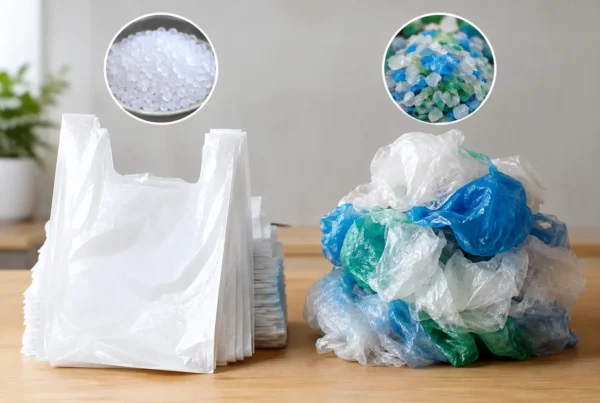
Plastic carrier bags, including recycled-content options where appropriate to your requirements, can offer valuable protection from rain and grease for certain order types. Reusable bags for life may suit food businesses with regular customers, larger family meals or promotional campaigns. The best choice depends on the menu, delivery method, local conditions and the disposal or reuse route you can communicate honestly.
Environmentally focused packaging should still perform its primary job. Compostable, recyclable and reusable formats each have different practical conditions and disposal considerations. Choose based on credible material information, the food being carried and how your customers are likely to use the pack. A responsible option that fails halfway home is not a good customer experience.
Add tamper evidence without making access difficult
Customers want reassurance that their order has not been opened after leaving the kitchen. Tamper-evident labels, seals or packaging closures can provide this, particularly for delivery orders and higher-value meals. They should be applied consistently and placed where an opening would be obvious.
Do not overdo it. Excessive tape can make hot food difficult to open, tear paper bags or frustrate customers who are ready to eat. Use the minimum measure that gives a clear indication of tampering. A branded label can work hard here: it secures the order, adds a professional finish and reinforces the business name at the point of delivery.
Make the final check part of service
The last check should be quick enough for a rush but structured enough to catch expensive mistakes. Match the ticket to the packed order, confirm drinks and extras, check that lids are secure, and assess whether the bag can be carried safely. For delivery, make sure the receipt or order identification is visible without opening the pack.
Staff training is central. Even excellent containers and bags cannot compensate for inconsistent packing. Give the team a simple station layout, enough space to separate hot and cold items, and clear rules for large orders. If spills or missing items recur, do not simply remind staff to be careful. Look at the container, bag size, menu build and workflow causing the problem.
Use packaging to strengthen the handover
A clean, correctly sized printed carrier bag can turn a routine collection into a more polished brand experience. Your name, logo and message are visible when the order leaves the premises, and consistent packaging helps customers recognise the business when they return. For independent food operators, that repeat visibility can be more useful than a generic bag that says nothing about where the meal came from.
Printed packaging does not need to be overcomplicated. A clear logo, legible contact detail or simple brand colour can be enough. The key is selecting a bag format that works with your food and your order volumes first, then applying branding that remains clear and professional in everyday use. As a UK manufacturer, Oversolve can help businesses specify printed carrier bags around practical requirements such as size, material, handle type and print finish.
Test your full pack under real conditions: a large order, a wet evening, a longer delivery route and a rushed collection handover. The best takeaway packaging is rarely the most elaborate. It is the pack that arrives intact, keeps food as intended and leaves the customer with one less reason to think twice about ordering again.