A customer leaves your shop, event or food counter carrying more than their purchase. They are carrying a visible reminder of where it came from. Custom printed paper bags turn that everyday handover into practical brand exposure, while giving customers a packaging choice that feels considered, useful and appropriate for the product inside.
For UK businesses, the right paper bag is not simply a replacement for plastic. It needs to hold its shape, carry the expected weight, present your branding clearly and arrive within a sensible budget and lead time. The best specification comes from matching the bag to the job, rather than choosing a format on appearance alone.
Why custom printed paper bags earn their place
A well-made carrier bag continues working after the sale. A shopper may carry it through a high street, reuse it for another errand or take it into an office. That creates repeated brand recognition without asking the customer to do anything extra. For independent retailers, larger chains, hospitality venues and promotional teams alike, this makes the bag a cost-effective part of the customer experience.
Presentation matters too. A plain bag protects an item, but a bag printed with a clear logo, colours and contact details makes the purchase feel complete. This is particularly valuable where the packaging is seen at a point of handover: a boutique sale, a takeaway collection, a trade-show giveaway or a gift purchase.
Paper also gives businesses a practical route towards reducing reliance on conventional single-use plastic. Many paper carrier bags can be recycled through normal paper recycling streams when they are clean and suitable for local collection. However, recyclability is only one part of the decision. The material weight, print coverage, handles and intended reuse all affect the final specification, cost and environmental outcome.
Start with how the bag will be used
Before considering print colours or finishes, establish what the bag must carry. Weight, shape and journey length are the factors that determine whether a lightweight flat-handle bag is sufficient or a stronger twisted-handle or rope-handle format is the better choice.
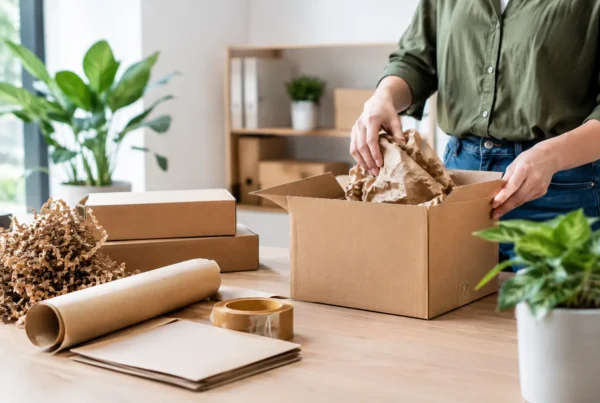
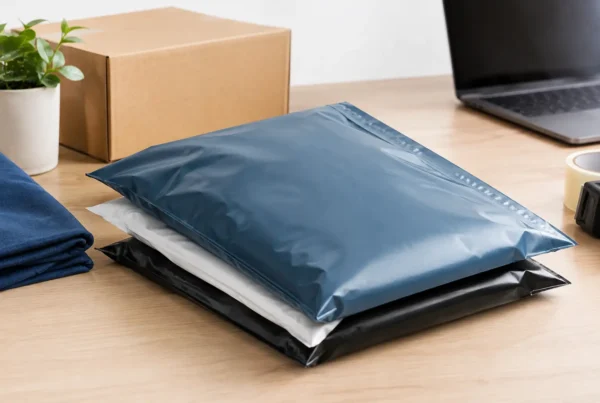
A fashion retailer may need a tall bag that keeps folded garments neat and gives a large area for branding. A bakery may need a smaller, food-suitable paper format for boxed goods and counter purchases. A gift shop may require a sturdier base and premium handles for heavier products. E-commerce businesses sometimes use paper bags for dispatch, but should assess whether a purpose-made mailing bag or protective outer packaging will give better security in transit.
It is also worth considering what happens between the till and the customer’s destination. A bag used for a short walk from a café has different demands from one carrying bottles, brochures or several retail items across town. Over-specifying a bag adds unnecessary material and cost. Under-specifying it risks torn handles, damaged goods and a poor impression of the brand.
Choose the right paper weight and construction
Paper is commonly selected by its gram per square metre, or gsm. A lower gsm can suit light products and high-volume counter use, while heavier paper provides more strength, structure and a more substantial feel. The right choice depends on the product weight, bag dimensions and handle construction rather than gsm alone.
Kraft paper is a popular option because it has a natural appearance and can provide good strength. Brown kraft works well for brands that want a recognisably natural look, while white paper creates a cleaner backdrop for bright colours, fine detail and more formal retail branding. Recycled content may also be available where it suits the required performance and visual finish.
The base and side gussets deserve the same attention as the handles. A wide gusset can make a bag more useful for boxed items, food containers or bulkier purchases. Reinforced handle patches and strong base construction are valuable where customers will carry heavier goods. These small production details often determine whether a bag feels dependable in use.
Select handles that suit the product and brand
Flat paper handles are a straightforward, cost-conscious choice for many retail and food applications. They sit neatly against the bag and work well for lighter-to-medium loads. Twisted paper handles offer a more traditional carrier-bag feel and can provide greater comfort and strength for a broad range of retail purchases.
For premium presentations, cotton rope, ribbon or die-cut handles can be considered. They create a different visual effect, but come with trade-offs. Rope handles may increase unit cost and can complicate recycling if made from a different material to the bag. Die-cut handles can keep the bag largely paper-based, although they are usually better suited to lighter contents unless the bag is designed with reinforcement.
The most responsible option is not always the most expensive-looking one. A strong, well-proportioned paper bag that customers can reuse is often a better commercial and environmental choice than a highly decorated bag that is unsuitable for the products being carried.
Make the print work at arm’s length
A printed bag is often seen from several metres away, not viewed like a brochure. Your logo should be clear at a glance, with enough contrast against the paper stock to remain legible in different light conditions. Fine lines, pale colours and very small type can lose impact, especially on uncoated kraft paper.
Single-colour printing can be striking and economical when the identity is built around a distinctive logo or typography. It is an excellent choice for cafés, market traders, specialist retailers and businesses that value a clean, recognisable look. Multi-colour spot printing gives more scope for branded colours, illustrations and bolder retail designs.
Full bag coverage and complex artwork can create a premium finish, but they should be used with purpose. More ink coverage can affect cost and may change how the paper feels. It can also make a natural kraft substrate less visible, which may not suit a brand that wants the material itself to communicate an environmental message.
Keep the message focused. A logo, website address, short strapline or social handle may be enough. Trying to fit every service, product category and promotion onto a carrier bag usually makes it harder to read. Good bag design gives the brand room to breathe.
Balance sustainability claims with real-world use
Customers increasingly expect businesses to make sensible packaging choices, but vague environmental language can undermine trust. Describe the material and its disposal route accurately. If a paper bag is recyclable, explain that it should be clean and dry and that local recycling arrangements can vary. If it contains non-paper handles, coatings or decorative additions, those details should be considered before making broad claims.
Reuse is equally valuable. A durable bag with a useful size, comfortable handles and an appealing design is more likely to be carried again. That extends its useful life and keeps your name in view for longer. For some applications, a reusable bag for life, cotton or jute option may be more appropriate than paper, particularly where customers are buying heavier goods or are likely to return regularly.
There is no single material that is right for every order. Food-service use, retail presentation, load requirements, storage space, order volumes and local waste arrangements all matter. A manufacturer should help you assess these practical points before production, rather than treating sustainability as a label added at the end.
Plan the order around your commercial needs
Custom manufacture gives you control over size, paper, handles and printing, but it requires clear decisions early on. Have your artwork in an appropriate print-ready format, confirm your preferred bag dimensions and provide a realistic idea of the product weight. If your brand uses specific colours, identify the required spot colours so the printed result is consistent with other marketing materials.
Order quantity has a direct effect on unit price. Larger runs generally spread set-up costs more effectively, but buying too many bags can create storage problems or leave you with packaging that no longer matches a rebrand. Lower-volume paper-bag orders can be a sensible starting point for seasonal campaigns, new locations and businesses testing a revised identity.
Lead time matters as much as price. Plan ahead for Christmas trading, exhibitions, new store openings and promotional periods, when a late packaging order can put pressure on operations. Working with a direct UK manufacturer gives greater visibility over production and can reduce the uncertainty that comes with long overseas supply chains.
At Oversolve, we manufacture branded packaging to suit the product, the budget and the way your customers will use it. Bring together a clear brief, practical load requirements and artwork designed for visibility, and your paper bag can do far more than carry a purchase. It can make every handover look like your business meant it.