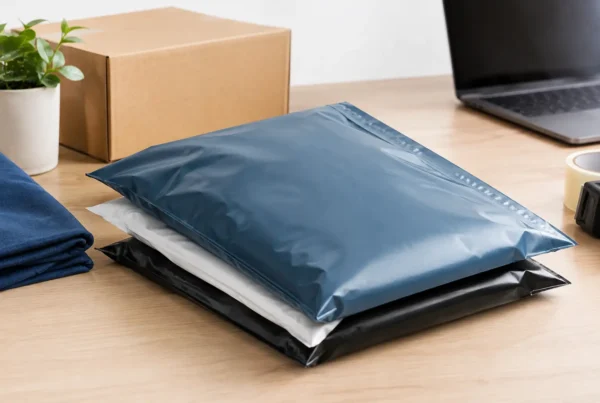
A delivery that arrives with a tiny item inside an oversized box, layers of void fill and a bag the customer immediately bins is more than an environmental issue. It is a visible sign of avoidable cost. For businesses working out how to reduce packaging waste, the most effective changes usually begin with specification, ordering and everyday packing decisions – not with a single material swap.
The right packaging still has a job to do. It must protect the product, support a professional handover and represent the brand well. The aim is not to use the least packaging possible at any cost. It is to use the right amount of the right material, for the right journey, with a realistic route for reuse, recycling or disposal.
Start with the packaging already leaving your business
Before choosing an alternative, look at what is currently being used. Review carrier bags, mailing bags, food packaging, labels, tape, protective inserts and outer cartons over a typical trading week. Record how many are issued, what products they hold, whether they are damaged in transit and where excess is most likely to occur.
This exercise often identifies simple waste. A retailer may be automatically giving every customer a large carrier bag when a smaller one would do. An e-commerce seller may use one standard mailing format for all orders, leaving too much empty space around smaller items. A food operator may find that lids, containers and bags have been specified independently, creating an unnecessary extra layer.
Waste is not only what the customer throws away. It also includes obsolete branded stock, damaged bags, over-ordering, packaging that slows fulfilment, and materials that cannot be handled through the disposal routes available to customers. A clear audit helps procurement, operations and marketing teams make the same decision from different angles.
How to reduce packaging waste through better specification
A packaging specification should be based on the product and its journey, rather than habit. Consider its weight, shape, fragility, moisture exposure, carrying distance, delivery method and the impression expected at the point of sale. A delicate glass item needs a different solution from a folded garment, takeaway meal or event giveaway.
Right-size bags, mailers and cartons
Right-sizing reduces material use and can lower storage, postage and transport costs. For mail orders, select a small range of mailing bag or box sizes that closely match your most common product combinations. This limits void fill and makes packing quicker without creating an unmanageable number of stock lines.
For carrier bags, look at gusset depth, handle type and load requirement. A bag that is too large may be wasteful and less comfortable to carry. One that is too light for the intended load can tear, leading to replacement bags and a poor customer experience. Strong bags for life can be the better choice where customers are likely to carry heavier purchases or use the bag repeatedly.
Remove layers that add little value
Every layer should earn its place. A printed paper bag may be sufficient for a boxed retail product, while an additional plastic sleeve, tissue wrap and outer bag may not improve protection or presentation. Equally, removing protective packaging from a product that regularly arrives damaged is false economy.
Test changes in real conditions. Send trial orders through your usual courier network, ask shop teams for feedback and monitor damage rates. The best reduction programme protects the product first time, rather than shifting waste from packaging bins into returned goods and replacement deliveries.
Print with a longer working life in mind
Custom printed packaging is valuable brand space, but dated campaigns, short-lived messages and frequent design changes can create redundant stock. Keep the core bag design useful for as long as possible. A strong logo, clear contact details and a recognisable colour treatment tend to outlast a seasonal slogan.
If promotional information is essential, consider whether it can sit on a separate label, insert or short-run product sleeve rather than on every long-run carrier bag. This gives marketing flexibility while protecting the value of your main packaging stock.
Choose materials around real end-of-life options
There is no universal “greenest” material. The right choice depends on the application, local waste infrastructure, product protection needs and whether the item is likely to be reused. Clear, accurate claims matter because customers increasingly notice the difference between packaging that sounds sustainable and packaging they can actually deal with.
Paper bags are a practical option for many retail, hospitality and promotional uses. They offer a familiar recyclable format, a strong print surface and a premium feel. Their suitability depends on paper weight, handle construction and exposure to rain or moisture. For heavy or damp goods, paper may require a different construction or may not be the most suitable option.
Reusable bags made from durable materials such as cotton or jute can reduce single-use demand where customers will genuinely use them again. They work particularly well for shops, events, gift ranges and brands with a loyal customer base. However, they use more material upfront, so they need repeated use to justify that investment. Good design, useful sizing and durable handles all improve the chances of that happening.
Compostable options, including potato starch-based bags, can be appropriate for certain food, waste collection and short-life applications. Their benefit depends on access to the correct composting route and clear customer instructions. Compostable does not mean suitable for every product or that it should be placed in every recycling bin.
Sugar cane-based materials can offer an alternative route for businesses seeking to move away from conventional fossil-based plastics. As with all material choices, assess performance, supply consistency, product compatibility and the disposal guidance you can confidently provide.
A recyclable plastic mailing bag may still be the most efficient option for some e-commerce products because it is light, durable and protects against moisture. The key is to avoid presenting any format as a simple cure-all. Use recycled content where appropriate, reduce unnecessary thickness, specify a format customers can identify, and communicate disposal instructions plainly.
Build reuse into the customer experience
Packaging is more likely to be reused when it is designed to be useful rather than merely branded. A well-made carrier bag with comfortable handles and an appealing print can continue travelling through town, extending brand visibility beyond the original purchase. That is both a waste-reduction opportunity and a commercial one.
For delivery businesses, consider resealable mailing bags where returns are common. A second adhesive strip can help the customer reuse the same bag for a return, avoiding a fresh outer pack. For retail, encourage staff to ask whether a bag is needed rather than automatically offering one. This small prompt can make a meaningful difference at volume.
Reuse initiatives work best when they are easy. A discount or reward for bringing back a bag can help in some settings, but the bag itself must be worth keeping. Thin, awkward or poorly sized packaging is unlikely to have a second life regardless of the message printed on it.
Order smarter to avoid stock becoming waste
Packaging waste often begins before a bag reaches a customer. Ordering large volumes can reduce the unit price, but it can also tie up cash, consume warehouse space and leave businesses with unusable stock after a rebrand, address change or product range update.
Balance unit cost against likely usage. Review sales volumes, seasonal peaks, lead times and the pace of brand changes before committing to a run. Where possible, standardise core sizes and constructions across ranges, then use printing to differentiate departments, sites or campaigns. This can simplify replenishment and reduce the number of slow-moving lines.
Working with a UK manufacturer can also support more responsive planning. Oversolve can help businesses match bag format, material and print approach to expected use, rather than encouraging a one-size-fits-all order. Faster local supply may allow more measured stockholding, although the right order quantity will always depend on demand and production economics.
Make disposal guidance part of the design
Even well-specified packaging can become waste if customers do not know what to do with it. Use concise, legible instructions where appropriate: whether a bag is intended for reuse, recycling, composting or general waste. Avoid broad claims that cannot be supported by the material and the likely local collection system.
The message should be proportionate. A small carrier bag does not need a page of environmental copy, but a simple disposal cue can remove confusion. For more complex packs, especially those made from multiple materials, include clear separation guidance and question whether the construction can be simplified.
Train customer-facing and fulfilment teams as well. They are the people choosing bag sizes, deciding when an extra layer is needed and answering customer questions. A good policy only reduces waste when it is followed at the counter, packing bench and dispatch station.
The strongest packaging decisions are practical ones: a bag that fits properly, survives its intended journey, carries the brand with purpose and has a credible next step after use. Start with one high-volume format, test the change against real trading conditions, then use the results to improve the next one.