A customer may only spend a few seconds opening an online order, but the packaging has already made an impression before the product is seen. Printed mailing bags put your name, colours and message in the customer’s hands at the exact point your order arrives. For retailers, e-commerce brands, event organisers and subscription businesses, that makes a mailing bag more than a protective outer layer. It is part of the product experience.
A plain bag can do the basic job. A well-specified printed bag can protect the order, create a more professional handover and keep your brand visible from despatch to doorstep. The best choice is not always the most elaborate one. It is the bag that suits your products, delivery method, order volumes and environmental priorities while making commercial sense.
Why printed mailing bags matter after the checkout
Online selling creates a gap between the purchase and the product. Your website may be polished, your order confirmation may be prompt, but the parcel is the first physical contact many customers have with your business. A flimsy or anonymous outer bag can make an otherwise good order feel less considered. Clean, consistent printed packaging reassures the customer that the business behind it is organised and established.
The value also travels beyond the delivery itself. A branded bag is seen by warehouse teams, delivery drivers, neighbours, colleagues and anyone receiving the parcel at work. Unlike a digital advert, it is attached to a real purchase. That gives the branding more credibility and helps create recognition over repeated orders.
This does not mean every bag needs full-colour artwork or a large print area. A sharp one-colour logo on the right material can look confident and cost-effective. Equally, a more detailed spot-colour design may be right for a premium retailer, campaign launch or product range where presentation drives perceived value. The specification should reflect the role packaging plays in your customer journey.
Choosing printed mailing bags for the job
Start with what the bag must carry. Clothing, soft furnishings and non-fragile accessories often suit lightweight mailing formats. Books, boxed goods, heavy cosmetics or products with sharper edges may need a stronger gauge, more generous dimensions or additional internal protection. Under-specifying a bag can lead to tears, returns and disappointed customers. Over-specifying every order can quietly increase packaging and postage costs.
Bag size deserves the same care. A mailer that is too tight puts stress on seals and corners. One that is too large can look untidy, use more material than necessary and allow items to move around in transit. Where a business sends several product types, it is often more efficient to select a small range of sizes rather than force every order into one oversized format.
The closure matters too. Self-seal mailing bags are popular because they are quick for packing teams and provide a secure closure without additional tape. For returns-led retail, a second adhesive strip can make the process easier for customers and reduce the need for separate return packaging. If your parcels are packed at speed during peak periods, these practical details can have a real effect on fulfilment time.
Material choices should match your delivery model
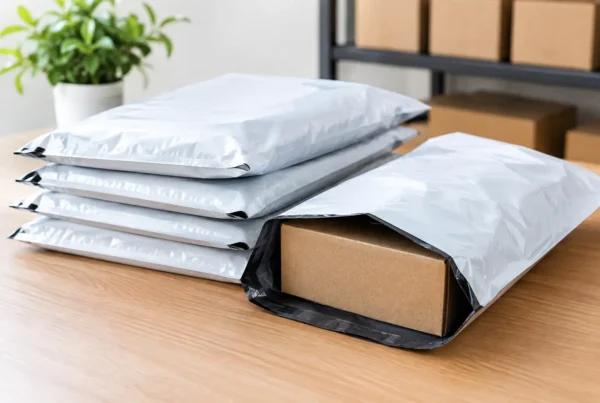
Plastic mailing and courier bags remain a practical option for many businesses because they are light, water-resistant and strong for their weight. They can be made in different thicknesses and formats to suit the contents, while branded printing turns a functional bag into a recognisable part of your dispatch operation.
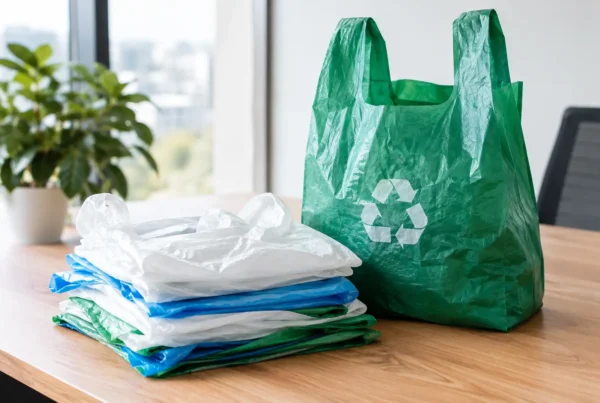
Recycled-content plastic can be a sensible route where you need the familiar performance of a conventional mailer but want to reduce reliance on virgin material. The right option depends on the product, the bag specification and the recycling route available to the recipient. Claims should always be clear and proportionate to the material used.
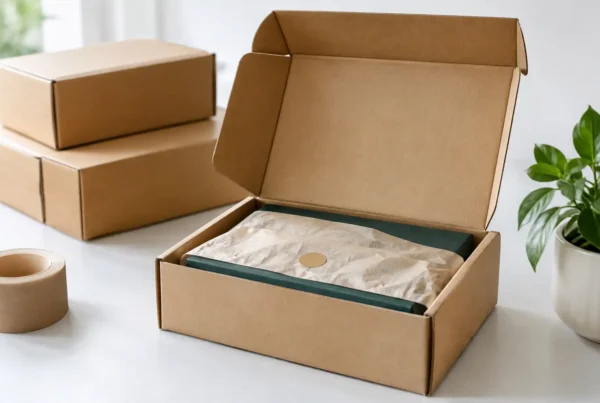
Paper mailing bags can work well for brands where a natural, retail-style presentation is central to the experience. They may be particularly suitable for lighter, less moisture-sensitive goods. However, paper is not automatically the right answer for every courier journey. Consider rain exposure, product weight, storage conditions and whether the bag needs to withstand handling across several delivery stages.
Compostable alternatives can be appropriate for selected applications, particularly where the material and disposal message fit the customer’s likely waste route. They should not be chosen only because the word sounds environmentally positive. A compostable bag still needs to protect the item, meet the practical demands of packing and be accompanied by accurate disposal guidance.
Print that customers can recognise quickly
A mailing bag has a moving surface, not a perfectly flat brochure. That affects what will print well. Fine text, pale colours and intricate details can lose impact when viewed at a distance or across folds. Strong logos, clear typography and a restrained use of colour tend to perform better in real delivery conditions.
Think about what you want the recipient to remember. For some businesses, that is simply the brand name and logo. For others, a short message, a recognisable pattern or a clear social media handle may support the wider campaign. Trying to fit every marketing message onto the bag usually weakens the design. One clear visual idea is more likely to be noticed.
Single-colour printing is often an excellent commercial choice. It can give a clean, distinctive finish and works especially well with bold artwork. Multi-colour spot printing gives more scope for brand palettes, illustrations and layered designs, but it may require a larger production run to offer the best unit economics. The right decision depends on the expected life of the design as well as the quantity ordered.
Before production, provide artwork in a suitable format and confirm the final bag dimensions, print area and colour references. A design that looks correct on screen can need adjustment when placed on a gusseted or flexible bag. Working through these details before manufacture helps avoid delays and keeps the finished result aligned with your brand guidelines.
The commercial case for ordering well
Packaging buyers are often balancing two pressures: keeping unit cost under control and avoiding excess stock. The lowest-priced bag is not necessarily the best value if it fails in transit, slows packing or presents the brand poorly. Equally, ordering a very large volume only makes sense if the design, product sizes and material requirements are unlikely to change before the bags are used.
Forecasting should include more than average weekly orders. Allow for seasonal demand, new-product launches, promotional activity and the lead time needed for a custom run. Businesses with fluctuating volumes may benefit from keeping the artwork simple and using a core bag range across multiple lines. Brands with stable, high-volume fulfilment can often gain more from a dedicated specification designed around their exact products.
Direct UK manufacture gives buyers greater control over this process. It supports clearer conversations about material, dimensions, print and turnaround, rather than treating the bag as a generic commodity. Oversolve can help guide businesses through these decisions, from selecting a practical format to producing branded bags that meet the needs of the order journey.
Avoiding common mailing bag mistakes
The most frequent problems are usually straightforward: choosing bags by price alone, using one size for every product, treating environmental claims as a design feature rather than a material decision, or sending artwork to print without considering the physical bag. Each can create avoidable cost or compromise the customer experience.
It is also worth reviewing the bag after it has entered use. Ask your packing team whether it is easy to load and seal. Check whether customers report damage, and look at the bag as it arrives after a normal courier journey. Packaging decisions improve when they are based on actual use, not only a sample on a desk.
A printed mailer does not need to shout to do its job well. Choose a material that protects the product, a size that packs efficiently and a design customers can identify at a glance. When those elements work together, every order leaves your business looking considered, dependable and ready to be remembered.