A damaged parcel can turn an otherwise excellent order into a refund, a replacement and a customer who thinks twice before buying again. Protective postal bags are a straightforward way to reduce that risk for soft goods, boxed items and products that need a clean, professional journey from your premises to the customer’s door. The right bag protects the contents, speeds up packing and gives every despatched order a consistent branded finish.
For UK retailers, e-commerce businesses and promotional brands, the best choice is not simply the thickest bag available. Protection comes from matching the material, gauge, size and closure to the product and the delivery route. It also comes from choosing a specification that your team can pack quickly and your customers can dispose of responsibly.
What makes a postal bag protective?
A protective bag needs to do more than contain an item. It should resist tearing during handling, keep out dirt and light moisture, remain securely closed and fit the product closely enough to prevent unnecessary movement. For many businesses, an opaque finish is equally useful, preventing the contents from being visible while the parcel is in transit.
Standard polythene mailing bags are a practical option for clothing, textiles, documents, non-fragile accessories and other lightweight goods. They are light, helping to keep postage costs under control, yet can be made from strong film that copes well with the knocks and friction of a delivery network. A permanent self-seal strip creates a tamper-evident closure, so customers can see if a package has been opened before it reaches them.
Where products need more cushioning, a padded or bubble-lined postal bag adds another layer of protection. This is often a sensible choice for cosmetics in small containers, jewellery boxes, electronics accessories, framed prints and delicate promotional merchandise. However, it is not a substitute for proper internal packing. A fragile product still needs to be immobilised with suitable void fill or protective wrapping before it goes into the outer bag.
Choose the right material for the job
Material selection should begin with the product, rather than a broad assumption that one format will suit every order. A fashion retailer sending folded garments has very different requirements from a food supplier sending chilled presentation materials or an event company distributing printed packs.
Polythene mailing bags
Polythene remains a commercially efficient choice where tear resistance, low weight and moisture resistance are priorities. It works especially well for high-volume despatch because bags can be supplied in easy-to-use formats with self-seal closures. A thicker gauge may be worthwhile for bulky garments or products with corners, while a lighter gauge can be suitable for compact, soft items.
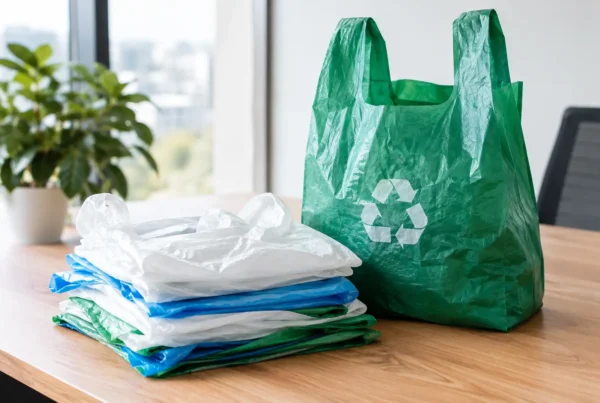
Recycled-content polythene bags can help businesses reduce reliance on virgin plastic. The percentage of recycled content, recyclability and collection options should be considered carefully, as these claims depend on the precise bag construction and the facilities available to the end user. Clear disposal guidance printed on the bag can make the choice easier for customers.
Paper postal bags
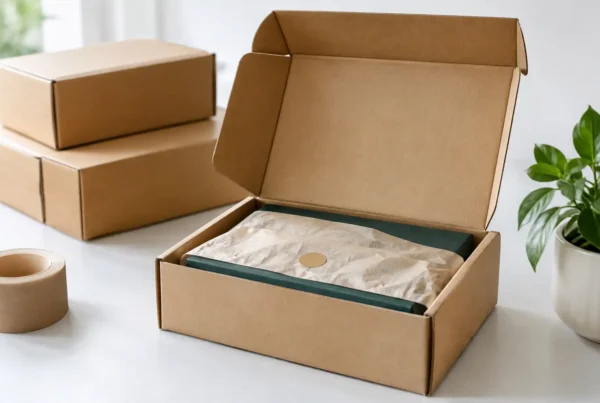
Paper bags can provide an appealing natural look for brands selling stationery, clothing, gifts and products with a premium, considered presentation. They can also support a recyclable packaging route where the bag is clean and made from a suitable paper-based construction.
The trade-off is that paper is generally less resistant to sustained rain and can tear more easily when overloaded or exposed to sharp edges. A gusseted paper postal bag can be useful for fuller orders, but the paper weight and adhesive strength should reflect the real contents, not just the product photographs. Testing with an actual packed order is far more reliable than choosing on appearance alone.
Compostable and alternative materials
Compostable mailing bag options, including materials derived from potato starch, can suit businesses looking to move away from conventional plastic for appropriate applications. They need to be specified with care. Compostability relates to defined conditions and does not mean a bag will break down properly in every home or outdoor environment.
Sugar cane-based materials, cotton and jute are also relevant for particular packaging needs, especially reusable carrier bags and retail presentation. For postal despatch, the balance is usually between protection, product weight, cost and the disposal route customers are most likely to use. We can help guide buyers through those material choices rather than treating every environmental claim as interchangeable.
Size, seal and strength matter as much as the bag
An oversized bag can look untidy, use more material than necessary and leave room for products to shift. A bag that is too small is slow to pack and can strain at the seams. Allow enough room for the product, any internal protective layer and the closure, then test the parcel after sealing.
The seal deserves particular attention. A high-quality permanent adhesive strip improves packing speed and reduces the chance of a bag opening in transit. Some operations also benefit from a second adhesive strip for returns, allowing the customer to reseal the original bag without needing additional tape. This can be valuable for apparel and footwear retailers where returns form a regular part of trading.
Before placing a larger order, assess four practical points:
- the heaviest and bulkiest product the bag must carry;
- any corners, edges or components likely to puncture the film or paper;
- how the packed parcel performs after being dropped, stacked and exposed to light moisture; and
- whether the chosen format works efficiently at your busiest packing times.
These checks help prevent false economies. A bag that costs slightly less but creates packing delays, damage claims or excess void fill is not necessarily the lower-cost option overall.
Printed protective postal bags build recognition
A plain postal bag protects an order. A printed bag can also carry your brand through the customer’s door, reception area or workplace. That additional visibility is useful because packaging is often the first physical branded touchpoint for an online purchase.
The most effective design is usually clear rather than crowded. A strong logo, a recognisable colour and carefully chosen contact or campaign information can make a bag immediately identifiable. Single-colour printing is often a cost-effective route for simple, high-impact branding, while multi-colour spot printing gives more scope where brand guidelines require specific colours or artwork elements.
Print should be planned around the bag’s folds, seals and usable surface area. Fine text can become difficult to read on creased film, and a design placed too near an edge may lose impact. Consider how the bag will look when filled, not only when it is laid flat for approval. This is where working directly with a manufacturer is valuable: the material, bag dimensions and print method can be considered as one specification.
Oversolve manufactures printed mailing and courier bags in the UK, helping businesses align practical protection with the right format, lead time and branded presentation. Direct manufacturing also gives buyers more control over the details that affect day-to-day use, from film choice and bag dimensions to print colours and order quantities.
Create a specification your team can reorder
Once a bag performs well, record the specification clearly. Include the finished width and length, gusset if required, material type, thickness or paper weight, colour, seal type, print artwork and any recycled or compostable content requirements. This reduces confusion when orders are repeated and helps maintain consistency across different departments or seasonal campaigns.
It is also sensible to review the specification as your product range changes. A bag designed for one folded T-shirt may not be suitable once orders regularly include hoodies, gift boxes or multiple items. Equally, a new returns policy or a move towards letterbox-friendly packaging may justify a different size or closure.
The strongest postal packaging decision is the one that works at the packing bench, survives the delivery journey and leaves the customer with a good impression before they have even opened the order. Start with the product in your hands, test the real journey it will take, and specify the protective postal bag around what your business genuinely needs.