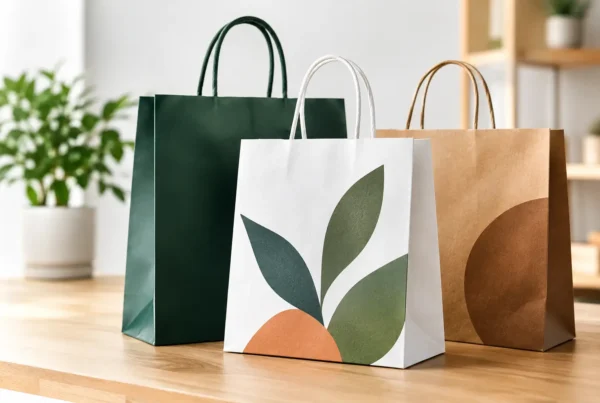
A carrier bag is often the last thing a customer sees before they leave your shop, venue or collection point. For online orders, it may be the first physical contact they have with your brand. Choosing the right UK carrier bag manufacturer is therefore about more than sourcing a bag at a workable unit price. It is about securing packaging that protects products, represents your business properly and arrives when you need it.
For retailers, food businesses, e-commerce sellers and promotional brands, the best specification depends on what the bag needs to do. A lightweight bag for a bakery counter has different demands from a strong, printed bag for a fashion retailer or a protective mailing bag for hundreds of daily dispatches. A good manufacturer should make those choices clearer, not more complicated.
Start with the job the bag needs to do
The practical use of the bag should lead every decision. Before considering print colours or material finishes, establish what customers will carry, how far they are likely to travel and whether the bag will be exposed to moisture, heat, grease or handling in transit.
Weight matters. A bag carrying a folded T-shirt does not require the same gauge, handle strength or base construction as one carrying bottled products, takeaway containers or several heavy retail items. Over-specifying can add unnecessary cost, while under-specifying risks breakages, complaints and a poor impression of your business.
Think about the point of handover too. Die-cut handle bags can provide a clean retail finish, while vest-style carrier bags offer a familiar and efficient option for high-volume use. Paper bags can suit shops, cafés and gift packaging where a natural presentation is part of the customer experience. Mailing bags need to protect goods through sorting, handling and delivery, rather than simply look good at the counter.
A manufacturer should ask these questions early. The right bag is one that performs reliably in real use, not one that only looks right in a sample photograph.
What a UK carrier bag manufacturer should offer
Working directly with a UK manufacturer gives businesses greater control over specification, lead times and quality. Rather than passing requirements through a chain of agents or resellers, you can discuss the material, size, print and intended application with people who understand how the product is made.
That direct relationship can be particularly valuable when demand changes. Seasonal promotions, new shop openings, event dates and unexpected sales peaks all put pressure on packaging supply. Local manufacturing can reduce the uncertainty associated with long international freight routes and make repeat ordering more straightforward.
It also makes it easier to compare options honestly. If your original idea is likely to be expensive, impractical or unsuitable for the quantity required, an experienced manufacturer can recommend a better route. That may mean adjusting dimensions to reduce material use, selecting a different handle style or choosing a print method that gives the required result without inflating the cost.
At Oversolve, we manufacture printed carrier bags and retail packaging for business customers, helping buyers move from an initial requirement to a finished specification that works commercially and practically.
Choose materials with the end use in mind
There is no single material that is right for every business. The best choice balances strength, presentation, disposal route, budget and the expectations of your customers.
Plastic carrier bags remain useful where moisture resistance, durability and efficient unit costs are priorities. They can be made in different thicknesses and formats, and can be printed to create a clear branded finish. Reusable bags for life may be a better fit for retailers wanting to encourage repeat use and give customers a bag that stays visible beyond the initial purchase.
Paper bags are a popular choice for boutiques, food outlets, hospitality businesses and premium retail. They offer a recognisable tactile quality and can support simple or detailed printed branding. However, paper quality, handle construction and bag size must match the load. A paper bag that is too light for its contents can quickly undermine the customer experience.
For businesses reducing reliance on conventional plastic, alternatives made from potato starch, sugar cane, cotton and jute can offer different environmental and commercial benefits. Compostable and recyclable claims should always be considered alongside the actual disposal options available to your customers. A compostable bag is only part of the solution if it can enter the appropriate waste stream, while a reusable cotton or jute bag needs enough repeated use to justify its material and production footprint.
The sensible approach is to be specific. Ask what the material is made from, how it should be disposed of, whether it is suitable for food contact where relevant, and what evidence supports environmental claims. Clear information protects your business from vague marketing and helps you communicate responsibly with customers.
Make printed bags work harder for your brand
A plain bag carries a product. A well-printed bag can carry your name through a high street, shopping centre, station or event. It is a practical form of brand recognition that continues after the sale.
The most effective design is not always the busiest. A strong logo, legible contact detail and a considered use of colour often have more impact than trying to include every message at once. Consider where the print will sit when the bag is filled and held. A design that looks balanced on a flat layout can be obscured by handles, folds or the customer’s hand.
Single-colour printing can be highly effective for clean, recognisable branding and is often a cost-efficient choice for larger runs. Multi-colour spot-print designs give more scope for distinctive artwork, retail campaigns and brand guidelines that rely on several colours. The right option depends on the artwork, the bag material and the order quantity.
Consistency is as important as creativity. If customers see the same logo colour, type style and quality of print across your carrier bags, mailing bags and food packaging, the business feels more established. That confidence matters whether you run one independent shop or supply multiple locations.
Get the artwork and specification right before production
A reliable approval process prevents costly errors. Supply high-quality artwork in the requested format, confirm the print colours and check every detail on the proof, including spelling, phone numbers, web addresses and positioning. It is easier to make changes before production than after thousands of bags have been printed.
Be clear about dimensions as well. Internal size, gusset depth and handle position affect both the appearance and usability of the finished bag. If possible, test a sample with the products customers will actually carry or receive.
Balance price with supply reliability
Unit price matters, especially for wholesale orders and businesses using high volumes of bags every week. But the cheapest quoted bag is not always the lowest-cost packaging decision. A bag that fails in use, arrives late or does not meet the advertised specification can create costs that do not appear on the original quote.
When comparing suppliers, look beyond the headline price. Check the minimum order quantity, tooling or setup costs, print limitations, lead time, delivery arrangements and whether the quoted material is suitable for your application. Ask whether repeat orders can be produced to the same specification, particularly if colour consistency is important to your brand.
It also helps to plan stock around your trading pattern. Restaurants and hospitality operators may need additional packaging before bank holidays or local events. Retailers may require increased quantities ahead of Christmas, sale periods or promotional launches. E-commerce businesses should allow for peaks caused by campaigns and marketplace activity. Ordering before stock becomes critical gives you more choice and reduces the chance of making a rushed compromise.
Compliance should be part of the conversation
Carrier bag requirements can vary depending on the bag type, material, thickness and how it is supplied. Food businesses may also need to consider hygiene, food contact suitability and the practical demands of hot, cold or greasy products. Your packaging supplier should help you identify the right questions, while recognising that your business remains responsible for using packaging appropriately.
Environmental statements deserve the same care. Terms such as recyclable, compostable, biodegradable and reusable are not interchangeable. Using them accurately supports customer trust and helps your business avoid making claims that are difficult to evidence.
A manufacturer with broad material knowledge can guide you towards packaging that suits your operational needs while supporting realistic environmental objectives. That may be a recyclable option for one application, a compostable material for another, or a durable reusable bag where repeat use is genuinely likely.
Build a specification you can reorder confidently
Once you have found a carrier bag that works, record the full specification: dimensions, material, thickness or weight, handle type, print colours, artwork version, pack quantity and any compliance details. This makes reordering faster and protects consistency as your business grows.
The right packaging should not become a recurring procurement problem. It should arrive in the correct format, support your day-to-day operation and give customers a professional final impression. Start with the product, be clear about your brand and disposal requirements, and choose a manufacturing partner that can turn those details into bags your customers will be happy to carry.