A carrier bag is rarely just a carrier bag. It leaves the till, travels through a high street or car park, arrives at a customer’s home and may be reused long after the purchase. Carbon neutral retail packaging gives businesses a way to reduce the climate impact of that journey without losing the protection, presentation or practical performance their products need.
For UK retailers, food businesses, e-commerce sellers and event brands, the right choice is not simply the bag or box with the greenest-looking finish. It is packaging matched to the product, its route to the customer, the likely disposal method and the volume being ordered. Get those details right and responsible packaging can support brand value as well as environmental objectives.
What carbon neutral retail packaging means
Carbon neutrality is a claim about greenhouse gas emissions. In broad terms, the emissions associated with a product or activity are measured, reduced where possible and balanced through verified climate-action projects or credits. The exact scope matters. A claim might cover material production only, or it may include manufacturing, transport and end-of-life treatment.
That is why buyers should ask what a carbon neutral claim covers, how the figure was calculated and whether reductions came before offsetting. A credible approach does not treat offsetting as permission to carry on as before. It starts by using less material, selecting suitable lower-impact materials, reducing waste in production and avoiding unnecessary transport.
For packaging buyers, carbon neutral does not automatically mean compostable, recyclable or reusable. These are separate product characteristics, although they can work well together. A paper bag can be recyclable but may not suit wet or heavy items without the correct specification. A durable bag for life can reduce the impact per use when customers genuinely reuse it. A compostable material can be a strong option where the local disposal route and product application make sense.
Start with the job the packaging must do
Packaging that fails in use is never the lower-impact option. If a mailing bag splits, a food container leaks or a paper carrier bag tears before the customer reaches their car, the replacement product and extra delivery or handling can create a larger problem than the material saving.
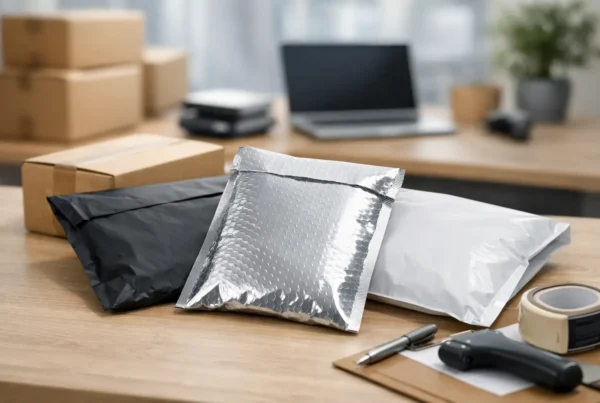
Begin with the essentials: the product weight, shape, moisture level, temperature, delivery route and required shelf life. Then consider how the customer receives and handles it. A boutique clothing retailer may prioritise a quality paper carrier bag with comfortable handles and a carefully printed finish. A takeaway operator may need grease resistance and heat performance. An online seller may need a secure mailing bag that protects stock with the least possible packaging weight.
This assessment often reveals a straightforward opportunity to reduce emissions. A bag may be over-specified for its contents, using more gauge, board weight or secondary packaging than necessary. Conversely, a better-quality reusable carrier can make commercial sense for a premium retailer, even with a higher unit cost, because it is designed to remain visible and useful after the sale.
Material choice needs context
Paper is a familiar choice for retail and can offer a strong printed surface, a natural look and widely understood recycling options. Recycled paper content can further reduce reliance on virgin fibre, but paper is not automatically the best answer for every product. It can be heavier than some alternatives and needs the right strength and finish for demanding applications.
Recyclable plastic carrier bags and mailing bags can be lightweight, durable and protective. Their value depends on designing for recycling where suitable, communicating disposal clearly and avoiding unnecessary mixed materials. Recycled-content plastic may also be appropriate where the application requires reliable moisture resistance or a lower material weight.
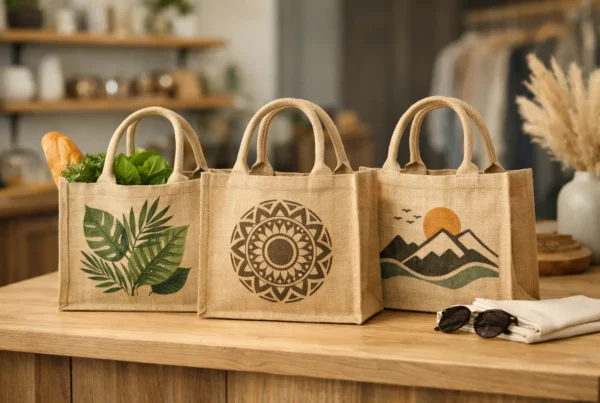
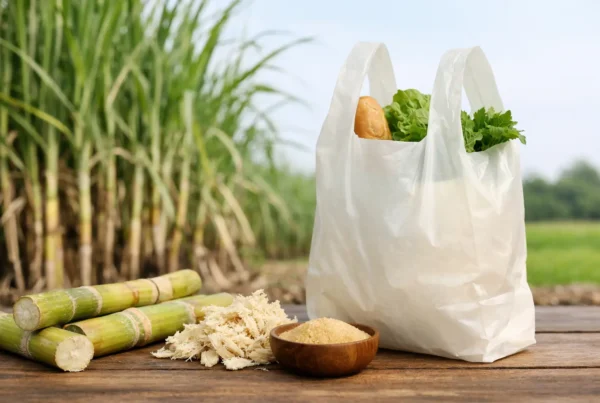
Alternative materials such as potato starch, sugar cane, cotton and jute can suit particular uses and brand positions. Compostable formats can be helpful for food-related applications, provided the intended waste stream is realistic. Cotton and jute are better suited to long-life bags rather than one-off handovers. Their environmental benefit relies on repeated use, so the design should encourage customers to keep them.
The question is not which material is universally best. It is which material delivers the right result for your product, customer behaviour and supply chain.
Reduce impact before you balance it
A carbon neutral retail packaging programme is most useful when it is built around practical reductions. Better specification is usually the first and most controllable step. This can mean reducing dimensions to remove empty space, using the minimum material weight that still performs, choosing a single-material construction where possible and avoiding finishes that prevent straightforward recycling.
Order planning also matters. Frequent small orders can create avoidable transport and administration costs, while ordering far too much can leave businesses holding obsolete printed stock after a rebrand or seasonal change. A manufacturer that understands your expected usage can help identify sensible order quantities, repeat schedules and storage considerations.
Printing should be part of the conversation, not an afterthought. A well-designed one-colour print can be highly effective and may suit a simple, cost-conscious brand. Multi-colour spot printing can create stronger shelf and street presence where the bag is a key part of the customer experience. The right choice depends on the role the packaging plays, not on assuming more ink always delivers more value.
For branded bags, include clear reuse, recycling or composting guidance where it is accurate and relevant. Keep it easy to read. Vague environmental symbols can confuse customers and weaken a responsible packaging message. Specific instructions are more useful, particularly where local recycling arrangements vary.
Make the claim as carefully as the product
Environmental language can influence buying decisions, which means it needs to be precise. Avoid describing a pack as carbon neutral if only one part of its lifecycle has been considered. Equally, do not imply that compostable packaging belongs in every household compost bin or that recyclable packaging will always be recycled.
A sound claim should identify the product, the scope and the basis for the calculation. Keep supporting records from suppliers, manufacturers and any recognised climate-action scheme. If the product has recycled content, state the percentage when known. If it is compostable, identify the relevant conditions or certification rather than relying on broad statements.
This approach protects your business from overclaiming and gives customers a more useful reason to trust the packaging. It also helps procurement teams compare like with like. The cheapest bag on a quotation may not be the best commercial choice if it leads to damage, weak brand presentation or an environmental claim your business cannot confidently support.
Turn packaging into a visible brand decision
Retail packaging is one of the few marketing items customers carry voluntarily. A distinctive printed carrier bag can be seen on public transport, in offices, at events and on repeat shopping trips. That visibility is valuable, but it works best when the design and material agree with each other.
A premium paper bag with a crisp logo can reinforce considered retail service. A reusable cotton or jute bag can carry a message over many uses. A smartly printed mailing bag can make an online order feel intentional before the customer even sees the product. In each case, sustainable choices are more believable when they are supported by a bag that looks fit for purpose and performs reliably.
For businesses ordering at scale, UK manufacture can also simplify the process. Shorter supply routes, faster turnaround and direct control over specification make it easier to respond to changing demand without compromising on quality. Oversolve can help guide buyers through material, format and print choices so the finished packaging works commercially as well as responsibly.
Questions to ask before placing an order
Before approving carbon neutral retail packaging, ask the supplier what emissions are included in the claim and what evidence supports it. Check the bag or pack is sized and specified for the real product, rather than a worst-case assumption. Confirm the material’s disposal route is suitable for your customers and the places they are most likely to use it.
Also review the artwork at actual print size. Fine details, pale colours and small type may not reproduce as clearly on every material. A practical print recommendation can prevent wasteful reprints and ensure your branding remains recognisable from the shop floor to the customer’s doorstep.
The strongest packaging decisions are rarely the most complicated. Choose a format that protects the product, use only the material needed, make environmental claims you can evidence and give customers a reason to reuse or dispose of it correctly. That is how a bag, mailing pack or food container becomes a credible part of the way your business operates.