A damaged parcel, a split seal or an unbranded delivery can undo the care taken over a product and its presentation. The right courier bags for business protect goods through sorting, handling and delivery while giving every order a consistent, professional finish. For retailers and e-commerce businesses, that makes the mailing bag part of the customer experience, not simply a dispatch expense.
The best choice depends on what you send, how often you send it and what you want the package to say about your business. A lightweight garment has different requirements from boxed cosmetics, food products or promotional materials. Getting the specification right at the start helps control unit costs, reduce damage and avoid paying for more material than the job needs.
What courier bags need to do
Courier bags are designed for products that do not need the rigid protection of a cardboard box. They are commonly used for clothing, textiles, accessories, documents, soft goods and pre-packed retail items. Their main advantages are low weight, efficient storage and quick packing, which can make a meaningful difference to fulfilment costs at volume.
Protection still comes first. A well-made mailing bag should resist punctures and tears, keep its seal in transit and prevent moisture from reaching the contents. The thickness and grade of the material matter, but so does the quality of the seal. A bag with a reliable self-seal strip allows dispatch teams to pack quickly without adding tape, while also creating a clear indication if a parcel has been opened.
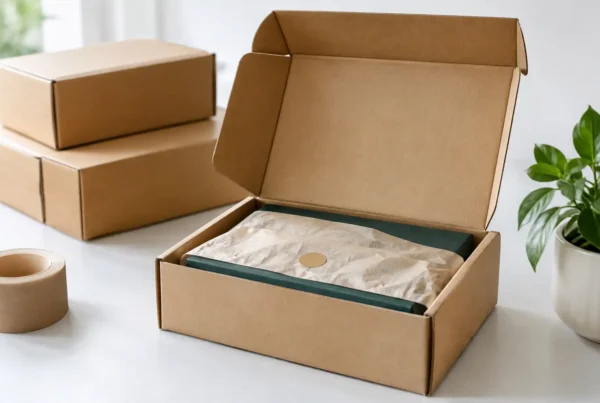
For more delicate products, a courier bag can be part of a layered packing process rather than the only layer. Tissue paper, a protective inner sleeve or a small carton may be appropriate before the outer bag is sealed. This adds cost and packing time, so it is worth matching protection to the real risk of damage rather than applying the same format to every order.
Choosing courier bags for business by product type
Start with the size and shape of your typical order. A bag that is too large looks untidy, leaves room for products to move around and uses unnecessary material. One that is too tight can stress the seams and make packing slower. Measure the widest, deepest and tallest items you send, including any inner wrapping, then allow enough room for easy sealing.
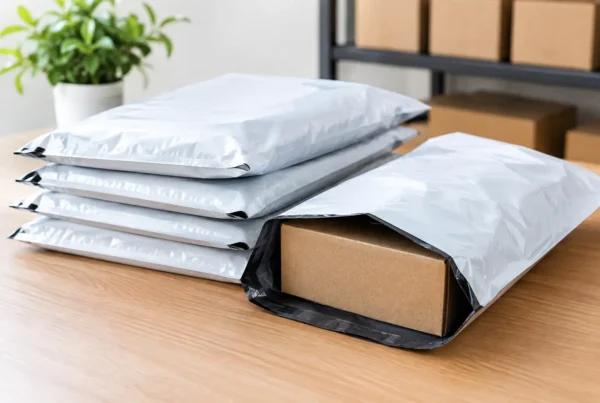
For clothing and flexible products, standard polythene mailing bags are often a practical choice. They are light, water-resistant and available in a broad range of sizes. Opaque material provides privacy for the contents, while a white external surface gives printed branding strong visibility.
For businesses sending heavier goods or items with sharper edges, stronger gauge material is usually the better investment. A low-cost bag that splits during handling creates replacement costs, customer service work and a poor first impression. In these cases, test samples with the actual product and packing method before committing to a full production run.
If your products are high value, tamper-evident security features and carefully considered internal packaging may be needed. Courier bags cannot replace suitable protection for fragile stock, but they can provide a lightweight outer layer that keeps the order secure and clearly branded.
Security, seals and returns
Permanent adhesive seals are suitable where parcels do not need to be returned in the same bag. For fashion retailers and other businesses with regular returns, a double-seal or return-strip format can make the process simpler for the customer. It gives them a practical way to reseal the bag without hunting for tape or using unsuitable packaging.
That convenience has a commercial value, but it should be balanced against the additional material and unit cost. If return rates are low, a standard bag with clear returns instructions may be sufficient. If returns are a regular part of the buying journey, a returnable bag can make the experience feel more considered.
Printed courier bags turn dispatch into brand visibility
A plain mailing bag does the job. A printed courier bag does the job while making the delivery recognisable from the moment it arrives at a doorstep, collection point or office reception. For brands competing in crowded online categories, this small point of difference can support recognition and encourage repeat custom.
The most effective printed designs are often the clearest. A strong logo, a consistent brand colour and a concise message can be more memorable than a crowded layout. Consider how the bag will look in everyday conditions: folded in a dispatch area, carried from a collection point or photographed by a customer. Fine detail may not read well at a distance, particularly on smaller bag sizes.
Single-colour printing is a cost-effective option for many businesses and can look sharp against a white or coloured bag. Multi-colour spot printing provides more scope for established brand identities, campaigns and retail-style presentation. The right choice depends on the design, required quantity and how prominently packaging features in your marketing activity.
Printed bags also need to work operationally. Leave clear areas where carrier labels, address labels and barcodes can be applied. A carefully planned print layout avoids covering the design completely once the parcel enters the delivery network. We can help guide you through bag dimensions, material and print options so the finished product works on the packing bench as well as in the customer’s hands.
Material choices and environmental claims
Businesses are rightly under pressure to reduce unnecessary packaging and offer credible alternatives to conventional single-use plastic. The right response is not always to select the lightest-sounding environmental claim. It is to choose a bag that suits the product, the available waste streams and the way customers are likely to dispose of it.
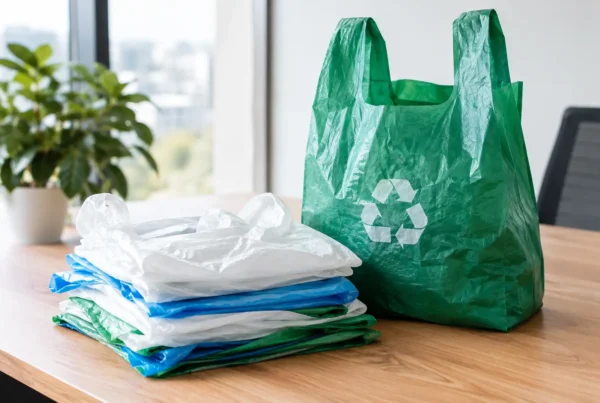
Recyclable polythene mailing bags can be an efficient option when they are made from suitable material and customers have access to plastic-film recycling collection points. Their low weight can also reduce the amount of material used compared with heavier alternatives. However, recyclability depends on local collection arrangements and clear customer guidance, not the bag alone.
Compostable mailing bags may suit businesses looking for an alternative material, particularly when their product range and customer base make composting a realistic end-of-life route. These bags need careful specification. Compostable does not mean suitable for every disposal bin, and the relevant certification and instructions should be considered before making claims on-pack.
Paper mailing formats can be appropriate for some lighter products and brands that want a natural retail appearance. Paper is not automatically the answer for every delivery. It can be less resistant to moisture and tearing than polythene, and it may require more material or a different packing format for demanding transit conditions. A practical assessment of protection, weight, appearance and disposal is more useful than choosing a material on perception alone.
Cost control starts with the right specification
The lowest price per bag is not necessarily the lowest cost per dispatched order. Oversized bags waste material and shipping space. Under-specified bags risk damage. Complex print designs may add value for a premium brand but may not be necessary for every product line.
Look at annual order volume, not only the next purchase. Higher quantities can improve unit pricing and provide consistency across busy periods, provided you have suitable storage space and confidence in your design. It is also sensible to allow for seasonal peaks, promotional campaigns and lead times when planning stock.
UK manufacturing can be particularly useful where a business needs closer control over specification, shorter replenishment cycles and direct access to the people producing the bags. Oversolve manufactures printed courier and mailing bags for business customers, helping buyers select a format that fits their product, brand and budget rather than forcing a standard option into every application.
Before placing an order, review a physical sample with the product inside. Check the seal, label placement, opacity, print appearance and how quickly the team can pack it. Ask colleagues in dispatch for their view too: they will spot practical issues that a specification sheet cannot show.
A courier bag should make every order easier to pack, safer to send and better to receive. When material, size, security and print are selected with the real delivery journey in mind, it becomes a dependable part of your operation and a quiet but effective reminder of your brand.