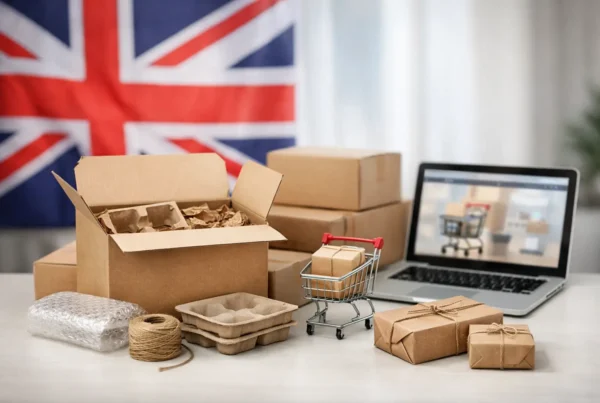
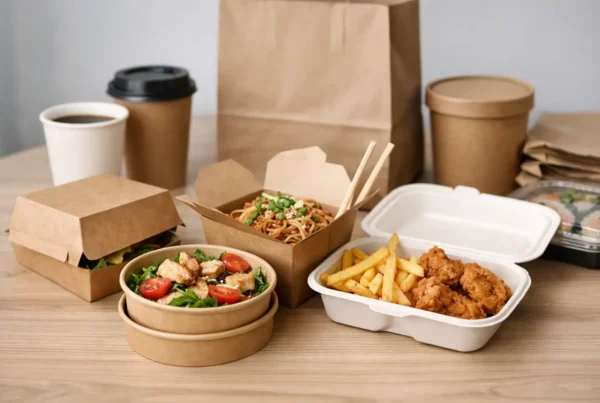
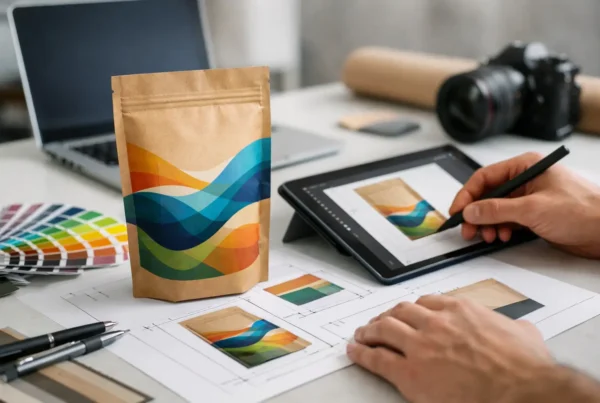
A delivery is often the first physical contact a customer has with an online brand. Before they see the product, they see the mailing bag, carrier bag or food packaging at the door, on the counter or in the hands of a courier. Knowing how to brand delivery packaging well means treating that moment as part of the customer experience, not simply a cost of getting goods from A to B.
For UK businesses, the best approach balances presentation with protection, practical handling, print quality and the expectations customers now have around material choice. A bright design is useful, but not if the bag splits in transit, obscures essential instructions or adds unnecessary cost to every order.
Start with the delivery journey, not the logo
Your packaging specification should begin with how the order moves through your operation. A boutique retailer sending lightweight clothing through the post needs something different from a takeaway business carrying hot food, or a farm shop selling jars and heavier produce. The format, size, handles, seal and material all need to suit the journey.
Think through where customers will see the packaging. A printed mailing bag may spend only a few seconds on a doorstep, but it can be seen by neighbours, colleagues and postal workers before it reaches the recipient. A paper carrier bag used in a high street shop may travel through town for an hour. Food packaging can sit on a desk during a lunch break. Each is a mobile piece of brand recognition, provided it remains clean, readable and fit for purpose.
Protection comes first. Choose a bag or outer pack that can handle the product’s weight, shape and likely handling conditions. For fragile items, the branded outer layer should work alongside internal protection rather than being expected to do every job. For clothing, cosmetics and smaller retail goods, a durable mailing bag with a secure closure may offer a clean, efficient solution. For larger or repeat-use purchases, a stronger bag for life can create longer-term visibility.
How to brand delivery packaging with a clear hierarchy
The most effective printed packaging is usually easy to recognise at a glance. That does not always mean covering every surface with graphics. A well-positioned logo, a distinctive brand colour and one confident message can look more professional than a busy design trying to explain everything at once.
Start with the elements customers should notice first: your logo or trading name, the colour palette associated with your business and any recognisable graphic device. Then decide what genuinely deserves a secondary position. This might be a short brand line, a website address, handling guidance or a message about reuse, recycling or composting where relevant. Keep postal labels, address panels and barcodes in mind from the beginning. They need clear space, especially for e-commerce orders.
Print colour is a commercial decision as well as a creative one. A single-colour print can be sharp, distinctive and cost-effective, particularly when paired with a bag colour that complements your identity. Multi-colour spot printing gives greater flexibility for brands that rely on several colours, detailed graphics or strong shelf presence. The right option depends on order quantity, the bag material, the design and the role packaging plays in your marketing.
Fine text, pale colours and intricate artwork may not reproduce equally on every material. Paper has a different surface and feel from plastic, potato starch, cotton or jute. Ask for practical guidance before finalising artwork, particularly if the design includes small type, gradients or colour-sensitive brand assets. A manufacturer should help translate the design into a print result that works in production, not just on screen.
Choose a material that supports your brand promise
Material choice communicates something before a customer reads a word. A substantial paper bag can suggest considered retail presentation. A reusable cotton or jute bag can make sense for premium products, events and brands seeking longer use. A practical courier bag may be the most efficient choice for high-volume fulfilment. There is no single material that is right for every business.
Environmental claims need the same care as visual branding. Customers increasingly expect responsible choices, but they also notice vague claims. Select materials based on the disposal route and likely use case, then communicate accurately. Recyclable paper, reusable bags, compostable options and alternatives made from materials such as potato starch or sugar cane can each have a place, depending on the product, local collection arrangements and your operational needs.
For example, a compostable bag may be a good fit for certain food and retail applications where that disposal route is realistic. A reusable bag for life may deliver more value where customers are likely to keep using it. Paper can work well for many retail and hospitality settings, but it must be specified with the required strength and handle type. Responsible packaging is not about choosing the most fashionable material. It is about making a credible choice that works for the product, customer and supply chain.
Make the unboxing experience useful
Branded delivery packaging should make receiving an order easier, not more complicated. A clear opening, reliable seal and sensible sizing improve the experience without needing extra printed messages. If customers struggle to open the bag, find the contents damaged or receive excessive empty space, the visual design will not rescue the impression.
Right-sizing is particularly valuable for online retailers. Packaging that closely fits the product can reduce material use, keep goods more secure and avoid the untidy look of an oversized bag. It may also help improve storage and packing efficiency in a busy fulfilment area. However, avoid sizing so tightly that staff have difficulty packing orders or customers cannot reseal returns where returns are part of your service model.
A small printed detail can add value when it is relevant. A discreet reuse message on a carrier bag, simple disposal guidance or a short thank-you line may reinforce the brand without turning the packaging into an advert. For food businesses, the priorities may instead be product protection, grease resistance, ventilation and clear information. The best message is the one that supports the job the pack already needs to do.
Keep brand consistency across formats
Many businesses use more than one form of packaging: mailing bags for online orders, paper carrier bags in store, protective bags for trade orders and food packaging for events or hospitality. These do not need identical artwork, but they should look as though they belong to the same business.
Create a practical print system rather than treating each bag as a separate project. Use the same logo version, core colours and typography where the format allows. Decide where the logo sits on each bag and how much clear space it needs. This makes future reorders simpler and helps customers recognise your business whether they meet it at a till, a market stall or on their doorstep.
Consistency also helps when budgets differ between product lines. Your everyday courier bag may use a single-colour logo, while a premium retail carrier bag uses a more detailed multi-colour design. They can still feel connected through the same visual cues. Spending more on every pack is not automatically better branding. Spending in the places customers notice most often is usually the smarter choice.
Plan quantities, lead times and storage early
Printed packaging is most cost-effective when the specification is stable and the order quantity reflects how quickly you use it. Before committing, estimate monthly usage, seasonal peaks, storage space and the risk of design changes. A large run can reduce unit cost, but it is less attractive if you later change your logo, product range or compliance wording.
For growing businesses, it can be sensible to begin with a versatile format and a straightforward print design, then develop a broader packaging range as volumes become clearer. Lower-volume paper bag requirements and larger wholesale requirements need different planning, so it helps to discuss the commercial reality rather than choosing solely from a visual mock-up.
Working with a UK manufacturer can give you closer control over samples, print approval, production timing and repeat supply. At Oversolve, we can help guide businesses through material, format and printing choices so the finished bag suits the order journey as well as the brand.
Your delivery packaging does not have to say everything about your business. It simply needs to arrive in good condition, look unmistakably yours and give customers one more reason to remember who sent it.