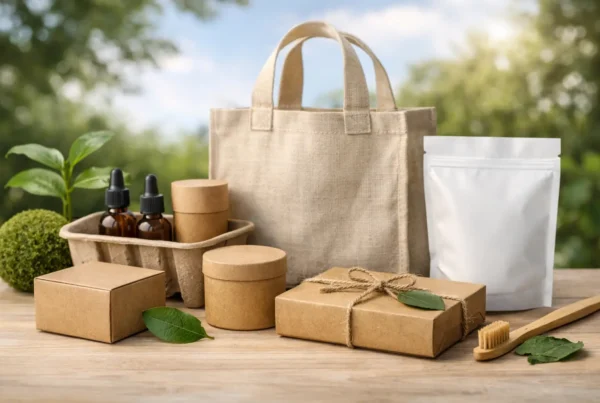
A customer leaving with a well-made bag is carrying more than their purchase. They are taking your name into the high street, onto public transport and back into their home. Printed jute shopping bags give retailers, hospitality businesses and event brands a durable, natural-looking way to make that journey count.
Jute has a distinctive woven finish that immediately feels different from standard carrier packaging. It suits brands that want a more considered presentation, particularly where a reusable bag adds value to the customer experience. The right specification matters, though. Size, handle type, print coverage and intended use all affect how the finished bag performs and what it costs at volume.
Why printed jute shopping bags work for business
A jute bag is designed to be kept and used again. That repeat use can give a branded bag a longer working life than a conventional single-use carrier, helping it remain visible long after the original transaction. For a boutique retailer, farm shop, garden centre or premium food business, this can make the bag part of the product presentation rather than an afterthought at the till.
The material has a tactile, natural appearance that works especially well with simple branding. A bold logo, clear message or single-colour design can stand out against the woven surface without needing excessive print coverage. More detailed spot-colour designs are also possible, but artwork should be planned with the material in mind. Fine lines, tiny lettering and photographic detail may not reproduce as sharply as they would on a smooth paper or plastic bag.
There is a commercial benefit too. A bag that looks substantial can support a higher-value purchase and create a more consistent handover experience across stores, pop-ups and events. It is a practical packaging format, but it also works as a mobile brand-recognition tool.
Start with how the bag will be used
The best jute bag is not necessarily the largest or heaviest option. It is the one that matches what customers are likely to carry, how often they may reuse it and how you want your brand to be seen.
A small format may be right for gifts, cosmetics, deli items or promotional packs. Medium bags are often a useful choice for fashion, homeware and general retail. Larger gusseted styles suit businesses selling bulkier goods, multiple products or boxed items. If the bag will carry heavier purchases, the handle construction and reinforcement deserve as much attention as the bag dimensions.
Jute shopping bags can be made with handles that support different looks and uses. Padded or cotton webbing handles can feel more comfortable in the hand, while rope-style handles can create a more premium finish. The right choice depends on weight, budget and brand position. A high-end gift retailer may prioritise presentation, while a garden-centre buyer may need practical capacity and reliable strength first.
It is also worth considering where the bag will be used. A bag handed over in a dry boutique environment faces different demands from one used for food shopping, outdoor events or regular commuting. Jute is a natural fibre and is not a waterproof material. If protection from moisture is a key requirement, a lining, alternative material or different bag format may be more suitable.
Choose a print design that suits the material
Jute rewards confident, uncomplicated artwork. Strong type, solid shapes and a limited colour palette usually create the clearest result. This is not a restriction on creativity. It is a chance to make the brand more recognisable at a glance.
Before production, artwork should be checked for line weight, colour separation and the practical print area available on the chosen bag. The bag’s seams, gussets and handles all affect where artwork can be placed. A design that looks balanced on a flat screen may need adjustment to sit correctly on a finished carrier.
For businesses ordering at scale, consistency matters. The same logo placement, colour references and bag dimensions should be agreed early, especially when the bags will be used across multiple sites or campaigns. Oversolve can help guide buyers through the material, format and print options so the finished product is fit for purpose rather than simply attractive in a proof.
The sustainability question needs a practical answer
Jute is a plant-based fibre, and its reusable nature is one reason many businesses consider it when reviewing their packaging. However, responsible packaging is not just about selecting a natural material. The environmental value depends on how the bag is made, transported, used and handled at the end of its useful life.
The strongest case for a jute bag is usually reuse. A well-specified bag that customers genuinely keep can replace repeated use of disposable carriers. That means choosing a design customers will want to carry again: useful dimensions, comfortable handles and branding that feels relevant beyond the point of purchase.
Jute is not automatically the right answer for every packaging requirement. It is generally bulkier than lightweight carrier options, which affects storage and transport. It may also be more costly per unit, particularly for smaller order quantities or complex printed designs. Where customers need a lightweight bag for occasional purchases, recycled paper, bags for life or other material choices may offer a better fit.
Businesses should also avoid broad environmental claims that cannot be supported by the full specification. If a bag includes a lining, coating, metal fittings or blended fibres, these details may affect its end-of-life options. Clear, accurate communication is better for customers and better for your brand.
Cost control without compromising the bag
The unit price of printed jute shopping bags is shaped by several production decisions: bag size, fabric weight, gusset depth, handle style, print colours, print positions and order quantity. A large multi-colour design on both sides will cost differently from a single-colour logo on one panel. Neither option is inherently better. The useful question is whether the extra spend will be noticed and valued by the customer.
A simple one-colour print can be highly effective when the brand mark is distinctive. It can also make repeat ordering easier, helping businesses maintain a consistent presentation as stock is replenished. Where a campaign or retail launch needs greater impact, additional colours may be justified, provided the artwork remains suitable for the woven surface.
Buying decisions should account for total use, not just the initial unit cost. A bag that tears, feels uncomfortable or does not suit the products being sold is poor value, however low the price. Equally, an over-specified bag can tie up budget in features customers do not need. A manufacturer-led conversation about product weight, expected use and branding priorities helps avoid both outcomes.
Plan production around your trading calendar
Branded packaging is often needed for a store opening, seasonal range, exhibition or promotional campaign, so late specification changes can become expensive. Allow time for artwork approval, sampling where required and production scheduling. If several locations need stock, consider whether deliveries should be phased or sent to a central distribution point.
UK manufacturing can make communication and quality control more straightforward, particularly when timings are tight or a business needs to refine a specification before committing to a larger run. It also gives buyers a clearer route to resolving practical questions about print, handles and bag construction.
Make the bag part of the customer experience
A jute bag should feel intentional from the moment it is handed over. Train teams to present it well, keep it clean and store it away from damp conditions. For premium purchases, folding tissue or a carefully packed product can reinforce the sense that the bag is a useful extra rather than merely packaging.
Think about the message customers will carry. A logo is essential, but a short line about your shop, event or product story may encourage conversation if it remains easy to read. Keep contact details and social messaging selective. The most effective branded bags are usually the ones that look good from a distance, not the ones trying to say everything at once.
When selecting printed jute shopping bags, bring a sample product, your expected carrying weight and approved brand artwork to the specification discussion. Those three details make it far easier to choose a bag that works hard for the customer, protects your budget and keeps your business visible well beyond the sale.