A cracked bottle, scuffed garment box or rain-damaged parcel costs more than the replacement. It can also cost a review, a repeat order and the customer’s confidence in your business. Protective ecommerce mailing bags are a straightforward way to reduce those risks while giving every dispatched order a more professional finish.
The right bag is not simply the thickest one available. Protection depends on what you sell, how it is packed, the carrier network it enters and the presentation your customers expect when the parcel arrives. Getting the specification right helps control material use, packing time and replacement costs at the same time.
What protective ecommerce mailing bags need to do
A mailing bag has a demanding job. It needs to contain the order securely, resist tearing and punctures, keep out dirt and moisture, and remain intact through sorting, handling and final-mile delivery. For many ecommerce businesses, it also needs to carry a recognisable brand identity without adding unnecessary cost to every consignment.
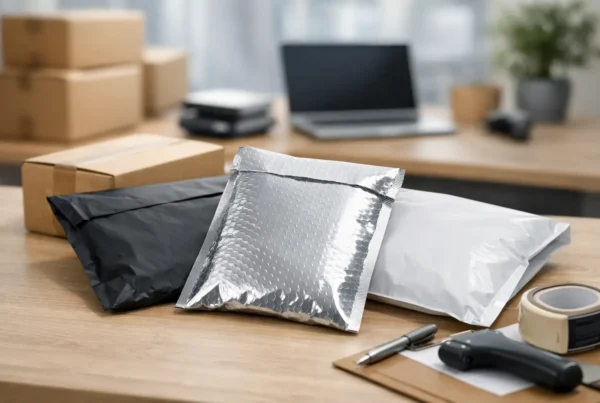
Poly mailing bags are widely used because they are light, flexible and water-resistant. They work particularly well for clothing, accessories, textiles, documents and products already protected by a carton or inner wrap. A reliable peel-and-seal closure prevents the bag opening in transit, while an opaque film keeps the contents discreet.
Protection is not the same as cushioning. A strong mailing bag can prevent moisture ingress and surface damage, but it will not stop a fragile item moving around inside. Glass, ceramics, cosmetics in breakable containers and heavier products usually need suitable internal protection or a box first. The outer mailing bag then adds weather resistance, tamper evidence and a clean branded exterior.
Start with the product, not the bag
The quickest route to a poor packaging decision is choosing a popular bag format before considering the item being posted. Begin with the weight, dimensions, corners and surface finish of your product. A soft T-shirt has very different requirements from a boxed candle, and a rigid item with sharp edges needs more puncture resistance than a lightweight garment.
Think about the full order too. A single product may fit neatly in a small bag, but a typical customer basket could include multiple items, inserts, returns information or promotional material. Packing too tightly can strain seals and create an untidy first impression. Packing into a bag that is far too large adds material, allows movement and may increase postage costs.
For clothing and flexible goods, choose a format that gives enough room to fold and seal without stretching the film. For boxed goods, allow enough clearance for a protective inner wrap where required. If your stock range varies, it is often more practical to hold two or three carefully selected mailing bag sizes than to force every order into one format.
Selecting the right level of protection
Film thickness matters, but it should be considered alongside material type, bag construction and product risk. A heavier-gauge bag can offer greater tear resistance for bulkier goods or demanding delivery routes. Yet a thicker bag is not automatically the best commercial choice for every item. It uses more material and can raise unit costs where a lighter specification would perform perfectly well.
A sensible approach is to match protection to the likely pressure points in your fulfilment process. Consider whether bags are packed by hand or on a busy packing bench, whether parcels travel nationally or internationally, and whether they may be exposed to wet conditions during delivery. Orders sent through multiple carrier hubs may require a more durable specification than local consignments handled over a shorter route.
The closure deserves equal attention. A high-quality self-seal strip should create a firm, consistent bond and be easy for packing teams to use at speed. Tamper-evident closures make it clear if a parcel has been opened after dispatch, which is particularly useful for higher-value goods. Where returns are central to your offer, a second seal strip can make the process easier for customers and help keep returned items contained.
Colour and opacity are practical choices as well as design decisions. White mailing bags provide a clean surface for printed branding and address labels. Grey or black opaque bags offer privacy for certain product categories. Clear bags are useful for internal packing or paperwork, but are rarely the best outer layer when discretion and security are important.
Do not overlook labelling and handling
A printed bag should leave sufficient clear space for carrier labels, barcodes and dispatch information. Avoid placing essential branding or small print where it is likely to be covered by a label. If different teams pack, label and despatch orders, test the layout in the real workflow rather than judging it only from an artwork proof.
The bag must also work for the people using it. A closure that is awkward to remove, a size that takes too long to pack or a surface that does not accept labels consistently can slow fulfilment when order volumes rise. Small operational frustrations become expensive when repeated hundreds or thousands of times each week.
Printed protective ecommerce mailing bags build recognition
The delivery journey is one of the few physical touchpoints an online retailer controls. A plain bag may do the basic job, but a professionally printed mailing bag turns dispatch packaging into a visible part of the customer experience. It can reinforce your colours, logo and product positioning before the order is even opened.
This does not require an overcomplicated design. A strong single-colour print can be effective, economical and easy to recognise. Multi-colour spot printing gives more scope for detailed logos, campaign artwork or a more distinctive retail finish. The right choice depends on your brand guidelines, order quantities and the role the bag plays in your wider packaging system.
Good printed packaging also supports consistency. A customer who has seen your brand online, in social content and on a receipt should recognise the parcel at the door. That familiarity makes a business feel established and considered, especially where customers are comparing independent retailers with larger competitors.
There is a balance to strike. Heavy coverage and complex artwork can increase print and production costs, while a minimal design may provide better value at scale. We can help guide you through bag size, material, print coverage and production options so the finished bag suits both the product and the commercial brief.
Making a credible environmental choice
Ecommerce buyers increasingly look at the packaging as well as the product. The right response is not to make broad claims or select a material purely because it sounds greener. It is to choose a format that is appropriate for its purpose, communicate disposal routes clearly and avoid using more packaging than the order needs.
Recyclable polythene mailing bags can be a practical option where suitable collection facilities are available. Their light weight may also reduce the transport impact compared with heavier alternatives, particularly for high-volume clothing and soft-goods dispatch. Clear on-pack messaging can help customers identify how to dispose of the bag correctly.
Compostable mailing bags may suit businesses whose products, audience and waste routes align with compostable materials. They should be chosen with care, as local collection and home-composting conditions vary. Paper mailing formats can offer a strong natural look and can be appropriate for certain lighter products, although they need to be specified carefully where wet-weather resistance or high tear strength is essential.
Reusable packaging can be valuable for selected product types, subscription models or returns-heavy categories, but it only delivers its intended benefit when customers are likely to reuse it. The most responsible option is often the one that protects the item properly on the first journey, prevents wasteful replacements and fits a realistic end-of-life route.
Test before committing to a larger run
Packaging samples are useful, but live testing is more revealing. Pack representative orders, including your heaviest and most awkward items. Apply labels, stack parcels, expose a sample to light moisture where appropriate and send test consignments through the same carrier services your customers use.
Ask packing staff whether the bags are quick to use. Check whether labels adhere securely, whether seals remain closed and whether the presentation still looks right after handling. Review customer feedback and replacement data after launch. If one product line produces more damage claims than another, it may need a different size, gauge or internal packing method rather than a wholesale change across every order.
Buy for dependable supply, not just the lowest unit price
The cheapest bag can become the most expensive if it splits in transit, creates packing delays or arrives looking poor. When comparing quotations, look beyond the headline unit price. Confirm bag dimensions, film specification, seal type, print method, lead time, minimum order quantity and whether the product is made to an agreed standard.
Working with a UK manufacturer gives businesses closer control over these details. It can support faster replenishment, clearer communication and a more practical response when your order profile or artwork changes. For growing brands, that flexibility matters as much as the initial price.
A well-specified mailing bag should quietly do its job: protect the order, support efficient fulfilment and make the parcel feel worthy of the product inside. When those three things align, packaging stops being a routine expense and becomes a reliable part of how your business earns the next order.