A missed packaging delivery can hold up far more than a box of bags. It can delay shop launches, disrupt dispatch schedules, force substitutions at the till and leave a branded event looking improvised. A fast turnaround packaging supplier helps avoid that pressure, but speed only has value when the finished bags are fit for purpose, printed correctly and delivered when your operation needs them.
For UK businesses, the best result is rarely just the shortest quoted lead time. It is a supplier with direct control over production, clear specification advice and the capacity to turn an approved design into dependable packaging without unnecessary handovers.
What fast turnaround should mean for packaging
Fast turnaround is sometimes used as a broad promise, so it is worth asking what is actually being supplied quickly. Stock carrier bags and plain mailing bags may be available much sooner than a fully bespoke printed order. Custom packaging requires artwork checks, material selection, printing preparation, production scheduling and delivery planning. A realistic supplier will explain each stage rather than offering a vague date that changes later.
The right timeframe depends on the product and order. A short-run printed paper bag for a new boutique opening has different requirements from thousands of heavy-duty mailing bags for an e-commerce fulfilment programme. Similarly, a single-colour print can be quicker to prepare than a detailed multi-colour spot-print design, particularly where artwork needs adjusting.
Fast does not mean cutting corners on handle strength, bag dimensions, ink coverage or material suitability. It means having the manufacturing knowledge and production control to make decisions early, identify potential issues and keep the job moving.
Why direct UK manufacturing makes a difference
When bags are manufactured directly in the UK, there are fewer stages between your brief and the production floor. That matters when you need a reliable answer on lead time, need to amend a specification, or want to repeat an established order without starting the process again through an agent.
Local manufacture also reduces some of the uncertainty associated with long import chains. International freight, port delays and changing shipping schedules can all affect packaging availability. Imported products may still suit certain specifications, volumes or budgets, but they are not always the best choice for a time-sensitive order.
At Oversolve, we manufacture and supply printed carrier bags, mailing bags and retail packaging for business customers, providing practical guidance from initial specification through to finished supply. Direct production gives us greater control over quality, timing and the details that make a bag work in the real world.
Start with the job the bag needs to do
The quickest route to the wrong packaging is choosing a bag by appearance alone. Before asking for a quote, consider how the bag will be used, what it must carry and where customers will see it.
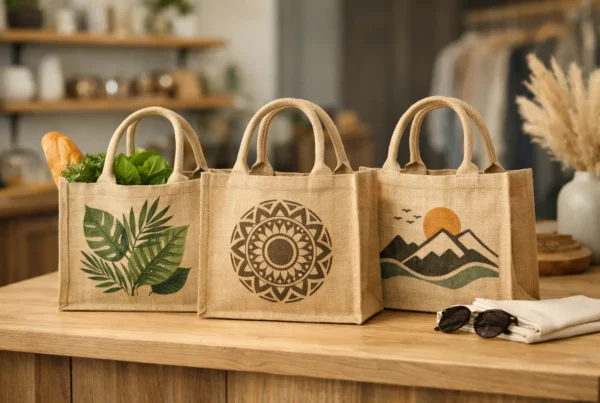
A paper carrier bag can give a premium retail presentation and works well for lighter products, gifts, clothing and takeaway items where the correct paper weight and handle style are selected. Plastic carrier bags remain a practical option for many retail uses, particularly when moisture resistance and strength are priorities. Bags for life are designed for repeat use, making them useful where durability and long-term brand visibility matter.
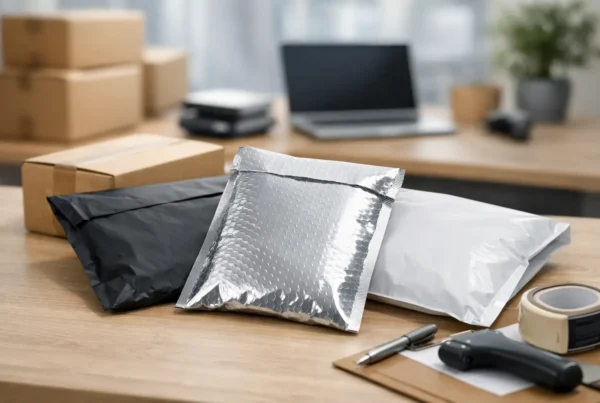
For deliveries, mailing and courier bags need a different focus. Security, tamper resistance, seal performance, opacity and size can be more important than a retail-style finish. Food and hospitality packaging must also suit the product being served, including heat, grease, moisture and food-contact requirements where relevant.
Choosing the application first helps a supplier recommend the right material and format quickly. It also prevents delays caused by changing the bag type after artwork has been prepared.
Material choices affect lead time and perception
Sustainable packaging is not a single category. Recyclable, reusable, compostable and lower-carbon options each have different practical uses and disposal routes. A business replacing conventional single-use plastic may consider alternatives made from potato starch or sugar cane, while cotton and jute can provide a reusable option with a more substantial feel.
The best choice depends on how customers are likely to use and dispose of the bag, as well as your brand position and budget. A compostable bag is not automatically the right answer if local disposal infrastructure is limited. Equally, a reusable bag only delivers its full environmental benefit when it is durable enough and attractive enough to be used repeatedly.
A knowledgeable supplier should be able to discuss these trade-offs in plain terms. Clear material decisions at the beginning are especially valuable when turnaround is tight.
Give your fast turnaround packaging supplier a complete brief
Speed often starts with the quality of information supplied. A clear brief allows a manufacturer to confirm feasibility and move straight into production planning. It should cover the bag type, dimensions, quantity, intended use, material preference, print colours, artwork and required delivery date.
If you have ordered packaging before, provide a sample or the previous specification where possible. Details such as gusset size, handle type, film thickness, paper weight and finish can significantly change both cost and suitability. Saying that you need a “medium branded bag” leaves too much room for interpretation when a deadline is close.
Artwork is another common source of delay. Supply the best available logo files and make sure the person approving the design is available to sign off proofs promptly. A print-ready file can speed the process, but a good supplier should still check practical points such as print area, line weight, colour separation and whether fine details will reproduce well on the chosen material.
Balance custom print with operational flexibility
Printed bags are not only a way to carry goods. They are mobile brand assets that move through high streets, workplaces, homes, events and delivery routes. A clear logo, well-chosen colour and consistent finish can improve recognition long after the original purchase.
However, customisation needs to match your stock planning. Ordering too little too often can create avoidable urgency, while ordering an excessive quantity may tie up cash or leave you with packaging that no longer suits a refreshed brand or seasonal campaign.
For some businesses, a core branded bag with a longer shelf life is the most commercially sensible choice. For others, such as event organisers, hospitality venues and promotional campaigns, a shorter run with campaign-specific print may be justified. A supplier should help you compare the cost per unit, storage implications and likely reorder pattern rather than treating every order as identical.
Questions worth asking before you place an order
A supplier’s response to a tight deadline tells you a great deal about how they operate. Ask whether the quoted timing includes artwork approval, production and delivery, not simply manufacture. Confirm whether your requested material and bag format are available for the required quantity, and ask what information is needed before the order can be scheduled.
It is also sensible to ask how quality is checked, whether repeat orders can be matched to an agreed specification and what happens if your artwork needs changes. For environmentally focused products, ask for clear information about the relevant material claim. Terms such as recyclable or compostable should relate to the product itself and the appropriate disposal conditions, not just a broad marketing statement.
Price matters, particularly for wholesale volumes, but the cheapest quote can become expensive if bags arrive late, handles fail or the print does not reflect your brand properly. Look at the total commercial value: product performance, print quality, lead-time certainty, support and the ability to reorder with confidence.
Plan the next order before stock becomes urgent
The most dependable fast turnaround is the one you do not have to chase. Review usage after busy periods, seasonal promotions or a growth in online orders. A simple reorder point based on average weekly use and your agreed lead time can protect your operation from last-minute buying.
Keep approved artwork, final specifications and previous order details together so they can be shared quickly. If your business has several sites, departments or franchise locations, agree who can approve packaging changes. Small delays in sign-off can matter as much as production time.
Good packaging should arrive as a practical answer to a business need: strong enough for the product, clear enough for the brand and available when your customers expect it. Choose a supplier that can help you make those decisions early, and fast turnaround becomes a reliable part of your operation rather than a last-minute rescue.